

When you enter a hammam, you’re not just stepping into a space of steam and soap—you’re immersing yourself in a ritual that has soothed both body and spirit for generations. At the heart of this experience lies something subtle yet profoundly powerful: the natural oils used in hammams, extracted from plants, herbs, and fruits, selected not only for their aroma but for their deeply therapeutic properties.
From the marble stones of ancient Anatolia to the luxurious spa rooms of modern Istanbul, these oils remain central to a tradition that believes cleansing the body is inseparable from calming the soul. Whether used in the massage phase (masaj), the exfoliating phase (kese), or as a final touch before rest, each oil carries cultural memory and functional purpose.
A Deep Dive Into Hammam Oil Culture and Usage
The oils traditionally used in hammams are often chosen based on both their medicinal qualities and spiritual symbolism. Far beyond mere moisturizers, these natural oils used in hammams function as agents of detoxification, emotional balance, immune support, and skin repair. In classic hammam settings, oils are usually applied after steam exposure, when the pores are most receptive, making them far more effective than in regular spa settings.
These oils are:
Cold-pressed from organically grown plants
Free from synthetic additives or preservatives
Rich in bioactive compounds that support skin regeneration
Often blended with local herbs to enhance regional character
While each Turkish hammam might add its own signature to the oil selection, certain staples have persisted throughout the centuries due to their time-tested benefits.
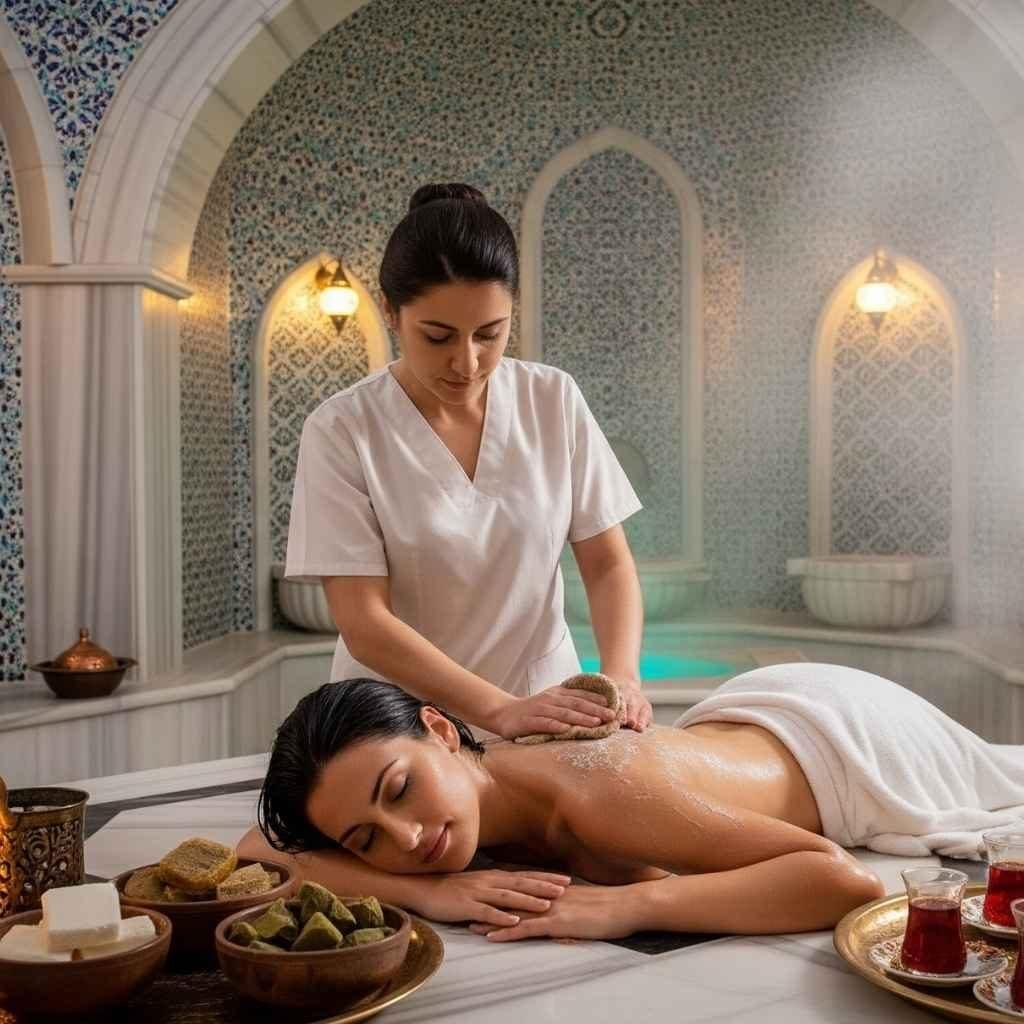
Most Revered Natural Oils Used in Hammams and Their Unique Properties
Olive Oil: The Eternal Base of Turkish Ritual
A cornerstone of Mediterranean wellness, olive oil is not only used in cooking or cosmetics but also in the very foundation of hammam treatments. Due to its thick texture and nourishing profile, it is often used in soap forms (zeytinyağlı sabun) and as a pre-scrub softener. It soothes dry skin, strengthens the epidermal barrier, and serves as a carrier oil for more aromatic infusions.
Argan Oil: The Golden Liquid of Youth
Originating in Morocco but widely adopted in Turkish spas, argan oil is considered one of the most luxurious additions to the hammam experience. Rich in vitamin E and essential fatty acids, it enhances elasticity, minimizes the appearance of fine lines, and is particularly beneficial for aging skin. Its silky texture makes it ideal for full-body massage following exfoliation.
Lavender Oil: Harmony in a Bottle
One of the most calming natural oils used in hammams, lavender oil infuses the entire space with a serene, floral aroma. It plays a dual role—calming the nervous system and soothing inflamed or sun-exposed skin. Its use is especially common in evening sessions, where hammam-goers seek rest and tranquility after a long day.
Eucalyptus Oil: The Signature Scent of the Steam Room
If you’ve ever been in a hammam and felt your sinuses instantly clear, you likely encountered eucalyptus oil. This invigorating essence purifies the air, boosts respiratory health, and offers a mental refresh. Many modern hammams—including some featured at istanbulhamam.com—use eucalyptus as the main oil in their steam diffusers.
Coconut Oil: Tropical Nourishment for Deep Hydration
Although not native to Anatolia, coconut oil has found a place in modern hammams thanks to its unmatched moisturizing power. Its natural antibacterial properties also make it a good fit for skin that needs extra protection or healing.
Rosehip Oil: A Gentle Rejuvenator
Used primarily for facial treatments, rosehip oil is rich in vitamin C and retinoic acid. It assists in reducing scars, pigmentation, and signs of fatigue—making it a valuable addition for those combining beauty and tradition.
Grapeseed Oil: The Unsung Hero
Extremely light and fast-absorbing, grapeseed oil is perfect for people with oily or acne-prone skin. It’s often used after exfoliation to help lock in hydration without clogging pores.
Expert Insights: How to Make the Most of Hammam Oils
Hydrate Beforehand: Drink water before and after your hammam session to support detoxification.
Apply Oil Post-Steam: Use oils when the skin is warm and damp; this allows for maximum absorption.
Customize Your Blend: Combine eucalyptus for energy and lavender for relaxation depending on your mood.
Use Circular Motions: When massaging, move in small, firm circles to stimulate lymphatic flow.
The Cultural Significance Behind Oil Use in Hammams
Oil use in hammams is not just about beauty—it’s an echo of the philosophies embedded in ancient Anatolian and Ottoman wellness systems. Cleansing the body is seen as preparation for spiritual clarity, and the fragrance of oils is believed to align emotional and physical energies. From Sufi rituals to modern spa luxury, oils remain sacred instruments of this experience.
In fact, many hammams in Istanbul today combine regional oils with modern wellness trends, creating a hybrid that honors both past and present. To explore how these traditions are kept alive, you can visit trusted providers like istanbulhamam.com, where tradition and elegance meet under domed ceilings.
The natural oils used in hammams are more than spa products—they are sensory keys that unlock centuries of wellness philosophy. Their ability to transform a simple bath into a deeply renewing ritual is what continues to draw people from across the globe into the warm, fragrant halls of Turkish hammams.
If you’ve never experienced a hammam treatment with aromatic oils, you’re not just missing a skincare secret—you’re missing a profound connection to heritage, healing, and harmony.
Learn more about the cultural history of Turkish hammams and their traditions on Wikipedia.




Comment (0)