

One of the most iconic cultural experiences when visiting Turkey is undoubtedly the Turkish hammam. This tradition, which blends thousands of years of Roman and Byzantine bath culture with Ottoman aesthetics, has become both a ritual of purification and an essential activity for tourists today. However, travelers visiting a hammam for the first time may have various questions such as « Is the Turkish bath safe? », « What are the hygiene standards? », or « What is the etiquette? »
In this guide, we will explore the Turkish hammam experience in detail from a tourist’s perspective and share golden tips for a safe and enjoyable visit.
What is the Turkish Hammam Experience?
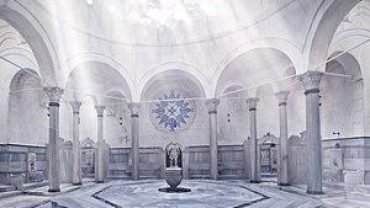
Before diving into safety details, it is important to understand what awaits you. A traditional Turkish bath generally consists of three sections:
- Changing Room (Camekân): The area where you change your clothes and wrap yourself in a « peshtemal » (a thin, hand-woven cotton towel).
- Transition Area (Soğukluk): An intermediate zone where the body acclimates to the heat or where you rest after the bath.
- Hot Room (Hararet): The main section featuring the « göbek taşı » (large marble heating stone), where sweating, exfoliation (kese), and soap massages take place.
Is the Turkish Hammam Safe for Tourists?
The short answer: Yes, it is extremely safe. However, as with any tourist activity, knowing where you are going and following basic rules will determine the quality of your experience.
Staff and Service Safety
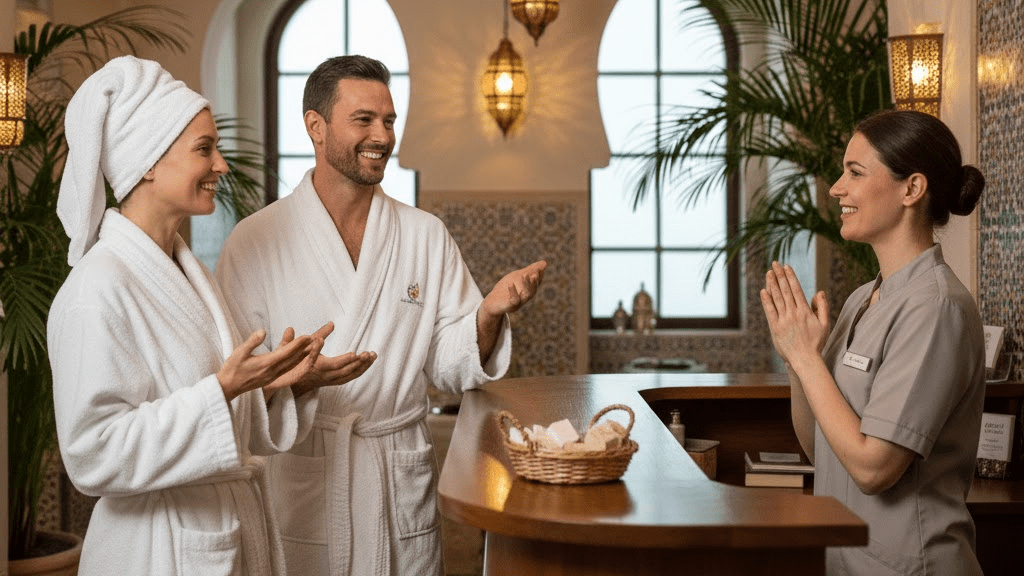
Staff working in licensed and historical hammams (known as « tellak » for men and « natır » for women) are professionals who have often been in this trade for generations. Popular hammams in tourist areas are regularly inspected by local authorities and the Ministry of Tourism.
Hygiene Standards
In modern Turkey, hammam management is subject to strict health regulations. Water quality, area cleanliness, and the sterilization of equipment are the main focus of inspections. Nevertheless, it is your basic right to ensure a brand-new « kese » (exfoliating mitt) is used for every guest.
Health Conditions to Consider Before Visiting
The hammam is an environment with high humidity and heat. This may not be suitable for everyone. If you have any of the following conditions, you should consult a doctor before visiting:
- Heart and Blood Pressure Issues: High temperatures can increase the heart rate and affect blood pressure.
- Pregnancy: Extreme heat is generally not recommended, especially during the first trimester.
- Skin Infections: Entering a hammam with an open wound or a contagious skin disease is risky for both you and others.
- Asthma and Respiratory Disorders: Intense humidity can make breathing difficult.
Men’s and Women’s Sections: Privacy and Security
Traditional Turkish hammams are usually separated by gender. There are two types of arrangements:
| Hammam Type | Description |
|---|---|
| Separate Sections | Completely separate entrances and areas for men and women within the same building. |
| Different Hours | In smaller neighborhood hammams, specific days of the week or hours of the day are reserved exclusively for women or men. |
| Mixed Hammams | In some luxury hotels or modern SPA centers, men and women may use the same area (in which case wearing a swimsuit is mandatory). |
As a tourist, the safest and most comfortable options are generally the hammams within large hotels or the historical, tourist-oriented hammams in areas like Sultanahmet and Sirkeci.
Hammam Etiquette and Safety Tips
Knowing the social rules will help you respect the local culture and prevent potential misunderstandings.
1. Do Not Go Completely Naked
In traditional hammams, men are required to keep the lower half of their body covered with a peshtemal. Women typically keep their lower underwear or bikini bottoms on. Complete nudity is not common in Turkish hammam culture and may be frowned upon.
2. Keep Your Valuables Under Lock and Key
All prestigious hammams provide private lockers for your belongings. However, it is a general safety rule not to bring excessive amounts of cash or expensive jewelry with you.
3. Tipping Culture
If you are satisfied with the service, it is polite to tip the tellak or natır who served you, usually around 10-15% of the total fee. This builds a more friendly rapport with the staff.
4. Stay Hydrated
Because you will sweat significantly in the hot environment, your body will lose water. Drinking plenty of water before and after your session prevents the risk of dizziness.
How to Choose the Best Hammam for Your Experience
Not every place with a « Hammam » sign offers the same standards. Consider these criteria for a safe experience:
- Read Reviews: Current reviews on platforms like Google Maps or TripAdvisor provide realistic information about hygiene and staff behavior.
- Prefer Historical Hammams: Establishments like Cağaloğlu, Çemberlitaş, or Kılıç Ali Paşa, which have served for centuries, are more reliable due to their institutionalized structures.
- Inquire About Prices: Discuss the service packages (exfoliation, soap massage, oil massage) beforehand and confirm the price to avoid unexpected costs.
Frequently Asked Questions (FAQ)
Q: Should I bring my own towel? A: No, hammams provide you with clean peshtemals, towels, and slippers (takunya). However, you can bring your own flip-flops or shampoo for personal comfort.
Q: How long should I stay in the hammam? A: The ideal duration is between 1 and 1.5 hours. Staying in the hot area for too long can lead to fatigue.
Q: Is it safe to go alone? A: Absolutely. Turkish hammams are social spaces, and tourist hammams have security staff and cameras (excluding changing areas).
Should You Experience It?
When visited in a well-chosen venue, the Turkish hammam offers a relaxation and purification experience you will never forget. As long as you choose a hammam that adheres to hygiene rules, has positive feedback, and provides professional service, this experience is completely safe.
You can experience this ritual—one of the most authentic moments of your trip to Turkey—with peace of mind by listening to your body and following basic safety rules. Remember, when you leave the hammam, you will feel « like you’ve been born again! »
Source: Wikipedia

Comment (0)