

What is a pestemal? This question is often asked by travelers and wellness enthusiasts who encounter traditional Turkish bath culture for the first time. A pestemal is a traditional Turkish towel with a long and deeply rooted history, used for centuries primarily in Turkish hammams as an essential part of bathing rituals.
Historically, pestemals were designed to provide coverage, comfort, and freedom of movement inside steamy bath environments, and over time they became an integral symbol of Ottoman bathing traditions. Today, however, pestemals are no longer limited to hammams and are widely used at beaches, swimming pools, spas, yoga studios, and even as lightweight home textiles.
The growing popularity of pestemals worldwide comes from their ability to combine simplicity with high functionality, as they feel extremely lightweight, absorb water efficiently, dry much faster than conventional towels, and fold compactly, making them especially appealing for travelers and minimalists.
What Makes a Pestemal Special?
A pestemal is typically made from natural fibers such as cotton, bamboo, or linen, and it is produced using flat-weaving techniques that have been passed down through generations of artisans. Unlike thick terry towels, pestemals have a thin and breathable texture while still offering impressive absorbency.
Most pestemals feature subtle stripes or simple patterns at both ends, reflecting traditional aesthetics while maintaining a timeless and versatile appearance that suits both classic and modern lifestyles.
People prefer pestemals for several practical reasons:
- They dry significantly faster than regular towels
- They feel soft and comfortable on the skin
- They take up very little space in bags or luggage
- They perform especially well in warm and humid climates
Because of these advantages, pestemals have evolved from a traditional bath item into a globally appreciated everyday essential.
Where Are Pestemals Commonly Used?
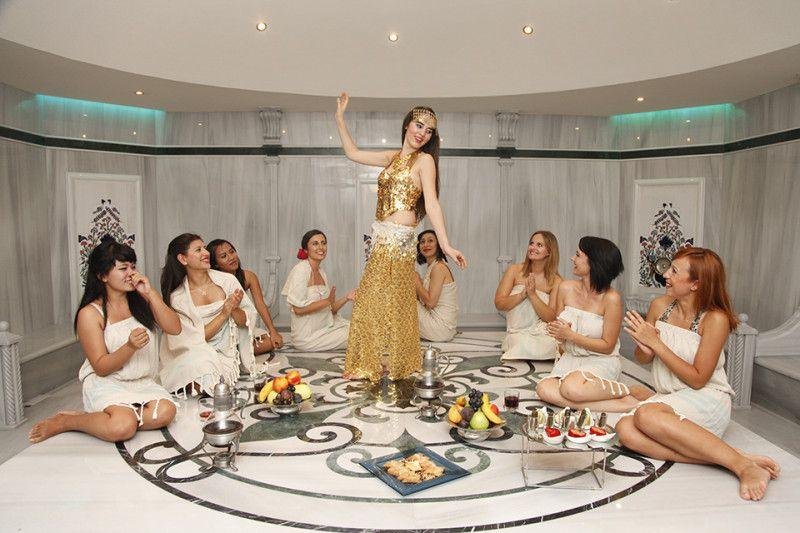
Pestemals were originally created for use in Turkish hammams, where bath visitors wrapped them around their bodies for modesty and comfort while moving between hot, warm, and cool rooms. Their lightweight nature made them ideal for long bathing rituals.
Today, pestemals are valued for their versatility and are commonly used in a wide range of settings.
Common uses include:
- Turkish baths and spa centers
- Beaches and swimming pools
- Yoga and fitness studios
- Homes as light towels, throws, or decorative textiles
This adaptability makes the pestemal a practical and stylish item for everyday life.
How to Tie a Pestemal Around the Waist
How to tie a pestemal is an important detail for anyone visiting a hammam or spending time at the beach, and the waist-tying method is the most commonly used style because it offers both security and comfort.
To tie a pestemal around the waist, follow these steps:
- Hold the pestemal behind your waist
- Wrap both ends forward around your body
- Pull the ends gently to secure the fit
- Tie a firm knot at the front or slightly to the side
This method allows free movement while ensuring the pestemal stays in place.
How to Tie a Pestemal Around the Chest
Some people prefer wrapping a pestemal around the chest, especially in hammams and spa environments where additional coverage is desired.
To use this method:
- Hold the pestemal behind your back
- Wrap it around your chest area
- Bring both ends to the front
- Tie a secure knot above the chest
It is important that the knot feels comfortable and does not restrict breathing or movement.
Why People Still Love Pestemals Today
Pestemals successfully combine centuries-old tradition with modern comfort, allowing them to remain relevant in contemporary lifestyles while still reflecting the cultural heritage of Turkey.
Today, many brands offer pestemals in a wide range of colors and patterns, making it easy for users to match personal style with everyday functionality.
A pestemal is far more than just a towel; it represents tradition, simplicity, and practicality, whether it is used in a hammam, at the beach, or while traveling.
Learning how to tie a pestemal properly enhances the overall experience and allows users to enjoy the full comfort and versatility this traditional textile offers.
For more insights into traditional hammam culture and pestemal usage, you can visit istanbulhamam.com.
Wikipedia: Pestemal




Comment (0)