

In today’s fast-paced world where self-care has become both a necessity and a trend, choosing the right wellness experience can be more than just a matter of preference—it can deeply impact your skin’s health, glow, and long-term resilience. If you’re torn between a modern spa session filled with cutting-edge technology and tailored skincare, or the steam-filled, time-honored ritual of a traditional hammam, you’re not alone.
Both experiences promise deep relaxation, detoxification, and revitalization, but they operate under very different philosophies, techniques, and ingredients. In this in-depth guide, we’ll explore the distinctive benefits of each and help you decide which is best suited to your skincare needs.
A Philosophical and Functional Overview
At their core, both the modern spa and the traditional hammam share a common goal: to cleanse the body, soothe the mind, and rejuvenate the skin. However, the paths they take to reach this destination differ dramatically.
A traditional Turkish hammam—with roots tracing back to Roman and Ottoman baths—is centered around steam, heat, and tactile cleansing rituals using natural materials such as olive oil soaps, kese mitts, and plant-based oils. You can still experience authentic versions of these practices at renowned centers like istanbulhamam.com, where architecture and technique remain faithful to centuries-old customs.
On the other hand, a modern spa blends Eastern and Western wellness philosophies, often incorporating advanced skincare technologies such as ultrasound facials, LED therapy, chemical exfoliants, and highly concentrated serums tailored to individual skin types.
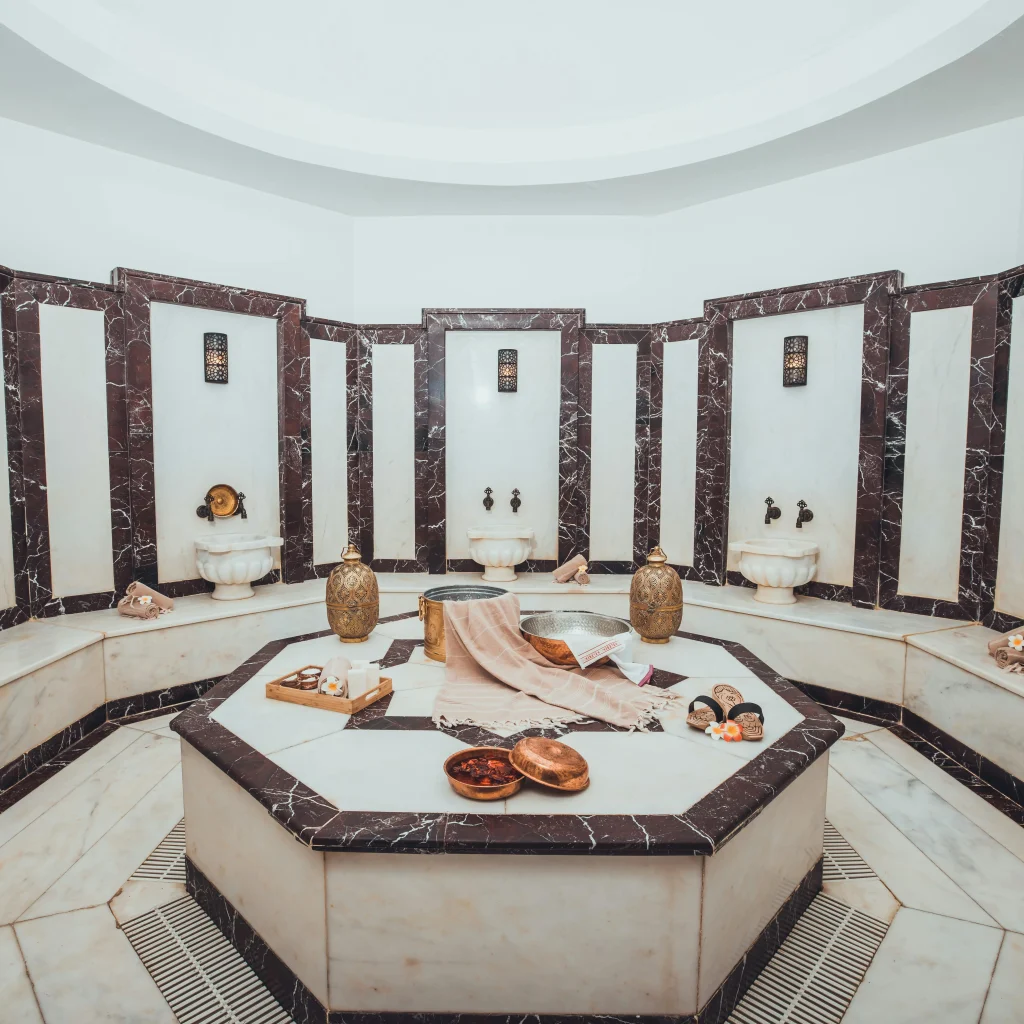
Traditional Hammam: Skin Transformation Through Heat and Heritage
The Role of Steam and Sweat
The hallmark of a hammam experience is its intensely steamy environment, which naturally opens the pores, boosts circulation, and prepares the skin for deeper cleansing. This method mirrors the body’s natural detox process and creates a perfect foundation for exfoliation.
Kese Ritual: A Full-Body Exfoliation
Using a coarse handwoven mitt, a hammam attendant performs the kese scrub, removing dead skin cells, oil buildup, and impurities. This mechanical exfoliation reveals a noticeably smoother and brighter complexion, allowing subsequent treatments like oil massage to penetrate more effectively.
Plant-Based Oils for Nourishment
After exfoliation, the skin is typically treated with natural oils such as olive oil, argan, rosehip, or eucalyptus, which are known for their nourishing, anti-inflammatory, and restorative properties. For an in-depth look at these oils, see our related article: Natural Oils Used in Hammams.
Modern Spa: Technology Meets Tailored Skincare
Personalized Treatments for Every Skin Type
Unlike hammams, which offer a mostly standardized routine, modern spas often begin with a thorough skin analysis. Based on this, treatments are curated with serums, masks, and tools designed to address specific concerns such as dehydration, hyperpigmentation, acne, or sensitivity.
Cutting-Edge Devices for Deeper Results
Spas commonly use devices like microdermabrasion machines, oxygen infusers, and radiofrequency tools to rejuvenate the skin on a cellular level. These technologies allow for non-invasive lifting, tightening, and collagen stimulation that can produce visible results within a few sessions.
Holistic Relaxation with Aromatherapy
Though clinical in precision, modern spas rarely ignore the emotional side of healing. From aromatherapy massage using essential oils to mindfulness-based facial protocols, these spaces aim to reduce cortisol levels, ease muscle tension, and create a calm, sensory-rich environment.
Side-by-Side Comparison
| Feature | Traditional Hammam | Modern Spa |
|---|---|---|
| Cleansing Method | Steam + manual exfoliation (kese) | Chemical & mechanical exfoliation tools |
| Product Composition | Natural oils and soaps | Cosmeceutical-grade serums and treatments |
| Target Skin Benefits | Detox, glow, hydration | Targeted repair (acne, wrinkles, sun damage) |
| Experience Design | Communal, ritualistic, sensory | Private, customized, scientific |
| Ideal Frequency | Monthly or seasonal | Bi-weekly to monthly, depending on treatment |
Expert Tips: Which One Should You Choose?
If you prefer natural, full-body detox, and enjoy immersive cultural experiences, the traditional hammam might offer exactly what your skin (and soul) needs.
If you have specific skin concerns like acne scars, fine lines, or hyperpigmentation, a modern spa can deliver more measurable results with advanced equipment and dermatologically tested products.
For sensitive or reactive skin, a spa can tailor products to minimize irritation, whereas the coarse kese mitt used in a hammam may be too abrasive.
However, for oily or congested skin, the deep steam and exfoliation of a hammam could offer a better reset than spa facials.
Choosing between a modern spa and a traditional hammam isn’t about deciding which is better universally—it’s about understanding what your skin needs at this moment in time. While the hammam reconnects you with your body’s natural rhythms and the earthy power of steam, the spa offers precision care using the latest in skincare innovation.
If you’re looking to merge both experiences, consider visiting a hybrid center like Istanbul Hamam, where you can enjoy the best of both worlds—ancient rituals performed with modern sensibility.
Still curious about the roots of hammam culture? Dive deeper into its historical and architectural legacy on Wikipedia.




Comment (0)